


How to Grade and Protect Your Trading Cards Before Selling
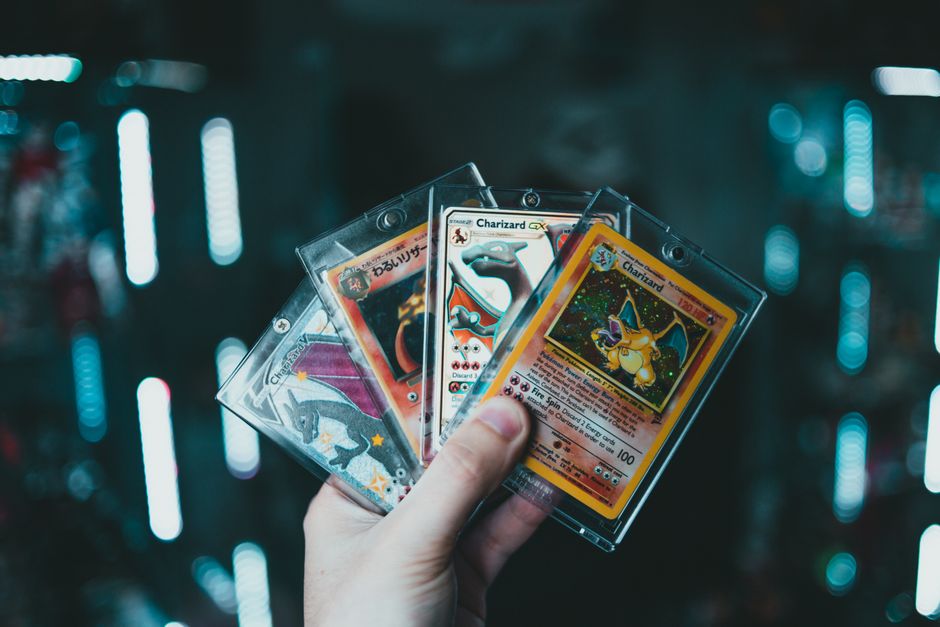
Whether you’re clearing out your collection or capitalizing on that rare pull, preparing your trading cards before selling can significantly impact your final sale price and buyer satisfaction.
- Proper grading helps establish fair market value and builds buyer confidence
- Understanding card condition standards prevents disputes and returns
- Quality protection methods preserve card value during storage and shipping
- Professional grading services may be worthwhile for high-value cards
- Clean handling and storage techniques maintain card condition from day one
Understanding Trading Card Grading Standards
Before you can effectively prepare your trading cards before selling, you need to understand the industry-standard grading scale. Most grading systems use a 1-10 scale, with 10 representing a pristine, gem-mint card and lower numbers indicating various degrees of wear, damage, or printing defects.
The most recognized grading companies include PSA, BGS (Beckett Grading Services), and CGC, each with slightly different criteria but generally consistent standards. A Gem Mint 10 card shows no visible flaws even under magnification, with perfect centering, sharp corners, and pristine edges. Cards graded 9 (Mint) may have one minor imperfection, while an 8 (Near Mint-Mint) might show slight corner wear or minor centering issues.
Understanding these standards helps you realistically assess your cards and set appropriate prices. Many sellers overestimate their card conditions, leading to disappointed buyers and negative feedback. Being honest and conservative in your self-grading builds trust and ensures smooth transactions.
Self-Grading Your Collection
When evaluating your trading cards before selling, examine each card under good lighting with a magnifying glass or loupe. Check the following key areas:
- Centering: Measure the borders on all sides to ensure the image is evenly positioned
- Corners: Look for any whitening, bending, or rounding
- Edges: Inspect for chipping, wear, or rough cuts
- Surface: Search for scratches, print lines, indentations, or staining
Take your time with this process. Cards you thought were mint condition may reveal flaws upon closer inspection, while others might grade better than expected. Document any imperfections with clear photos, as transparency about condition is essential when listing cards for sale.
When to Use Professional Grading Services
Professional grading isn’t necessary for every card, but it can dramatically increase the value of premium cards. As a general rule, consider professional grading for cards potentially worth $100 or more in raw condition, as the grading cost (typically $20-$100+ per card depending on service level and turnaround time) can be justified by the increased sale price and buyer confidence.
Graded cards command premium prices because the authentication and condition assessment come from trusted third-party experts. A PSA 10 of a popular card might sell for three to ten times more than the same card in raw near-mint condition. The encapsulation also provides superior protection, ensuring the card maintains its grade indefinitely.
Professional grading serves as both authentication and preservation, giving buyers peace of mind and protecting your investment for years to come.
When preparing trading cards before selling through professional services, research current turnaround times and costs. During peak periods, grading companies may have backlogs of several months. Factor this timeline into your selling strategy, especially if you’re trying to capitalize on a trending player or release.
Choosing the Right Grading Company
Different grading companies carry different weight in various markets. PSA traditionally commands the highest premiums in sports cards, while BGS is popular for its subgrades that break down the card’s centering, corners, edges, and surface individually. CGC has gained traction in trading card games like Pokémon and Magic: The Gathering.
Research recent sales of similar cards graded by different companies to determine which service might yield the best return on investment for your specific cards. The right choice depends on the card type, the collecting community, and current market preferences.
Protecting Your Cards: Essential Supplies and Techniques
Proper protection is crucial whether you’re storing cards long-term or preparing them for shipment to buyers. At Kuro Card Shop, we emphasize that protection starts the moment you open a pack or acquire a valuable card.
The basic protection hierarchy includes penny sleeves, top loaders, card savers, and semi-rigid holders. Penny sleeves provide minimal protection against dust and fingerprints and should be the first layer for any card. Always insert cards opening-up to prevent them from sliding out.
For trading cards before selling, step up to rigid protection. Top loaders are plastic cases that provide excellent protection for cards valued under $50. They’re affordable, reusable, and offer good protection during shipping when combined with cardboard reinforcement. For higher-value ungraded cards, consider card savers or semi-rigid holders that grading companies prefer for submission.
Storage Best Practices
Environmental factors can damage even well-protected cards. Store your collection in a climate-controlled space away from direct sunlight, avoiding basements prone to humidity and attics with temperature extremes. Ideal conditions are 65-70°F with 35-50% relative humidity.
Organize your cards in storage boxes designed specifically for trading cards, preferably with dividers to prevent cards from shifting and causing wear. Never use rubber bands, which can leave indentations and damage edges. For your most valuable cards awaiting sale, consider fireproof safes or safety deposit boxes.
Preparing Cards for Shipment
Even perfectly graded and protected cards can be damaged in transit if not shipped properly. When preparing your trading cards before selling, plan your shipping method based on the card’s value and the buyer’s expectations.
For cards under $20, a penny sleeve inside a top loader, wrapped in a piece of paper to prevent the card from sliding out, then placed in a regular envelope with “Do Not Bend” stamped on both sides typically suffices. However, this method carries risks, as regular envelopes aren’t tracked.
For cards valued at $20-$100, use a bubble mailer with tracking. Place the sleeved card in a top loader, then sandwich the top loader between two pieces of cardboard cut slightly larger than the holder. Secure with painter’s tape (never directly on the top loader). Add cardboard reinforcement to prevent bending during sorting equipment processing.
High-value cards deserve premium shipping. Use a small box rather than an envelope, with the protected card secured in the center surrounded by bubble wrap or foam. Consider signature confirmation and full insurance. The additional shipping cost is minimal compared to the risk of losing a valuable card.
Documentation and Communication
Before shipping, photograph the card in its protective sleeve from multiple angles, capturing any imperfections you disclosed. This protects you from return scams where buyers claim damage that wasn’t present. Save all communication with buyers regarding condition and shipping expectations.
When evaluating and protecting your trading cards before selling, clear documentation serves as insurance. Detailed photos and honest condition descriptions prevent disputes and establish your reputation as a trustworthy seller, leading to repeat customers and positive reviews.
Maximizing Value Through Proper Timing
The condition and protection of your cards matter most, but timing your sales can also impact returns. Player performance, set releases, and market trends all influence card values. A rookie card might spike after a championship win or following a major tournament performance.
However, don’t let timing paralyze you into inaction. Cards sitting unprotected while you wait for the perfect market moment may deteriorate in condition, ultimately costing more than any potential price increase. If you’ve properly assessed and protected your trading cards before selling, you can list them confidently knowing you’ve maximized their value through preservation and presentation.
Monitor completed sales on major marketplaces to understand current values for cards in similar conditions. Price your cards competitively based on actual sales data rather than optimistic listing prices that never sell. Remember that a card is only worth what someone will actually pay for it.
Taking the time to properly grade and protect your collection before listing ensures you’ll receive fair value while building a reputation as a reliable seller. Whether you’re selling a single chase card or an entire collection, these practices protect both your investment and your buyers’ satisfaction, creating positive experiences that benefit the entire trading card community.
Posts Widget
-
1

-
2

-
3
-
4


Copyright 2025 © Kuro Card Shop. All right reserved.
