


How to Grade, Store and Protect High-Value Trading Cards
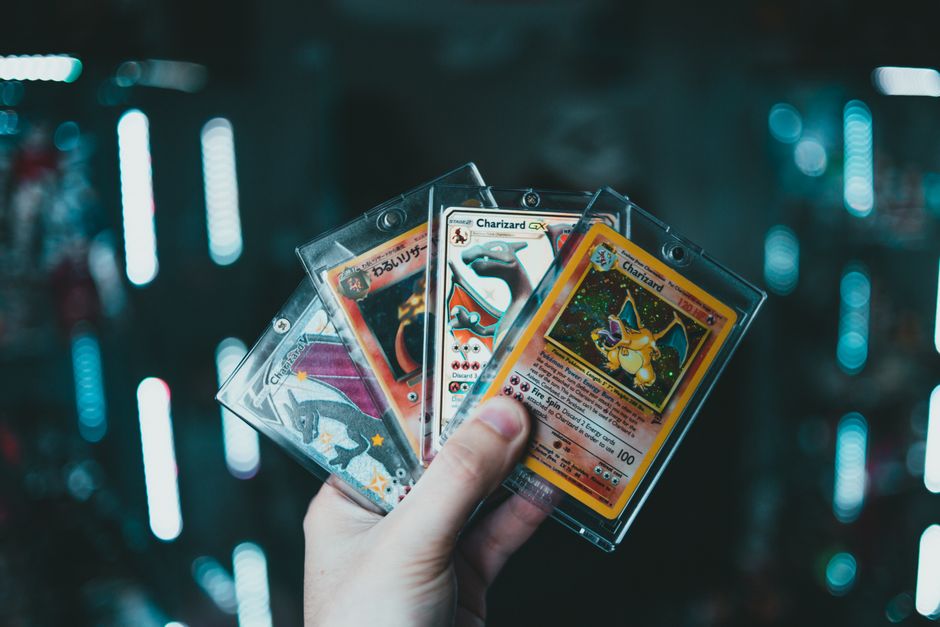
Whether you’re a seasoned collector or just starting to invest in rare cards, understanding how to properly care for your most valuable pieces is essential. Let’s explore the best practices for grading, storing, and protecting your trading card investments.
Quick Summary: Essential Protection Tips
- Professional grading adds authenticity and can significantly increase card value
- Proper storage materials prevent physical damage and environmental degradation
- Temperature and humidity control are critical for long-term preservation
- Regular inspection helps catch potential issues before they cause permanent damage
- Insurance and documentation protect your financial investment
Understanding Professional Grading for High-Value Cards
Professional grading serves as the foundation for protecting and valuing your most precious trading cards. When you protect high-value trading cards through third-party grading services, you’re not just getting a number—you’re receiving authentication, preservation, and market credibility all in one package.
The major grading companies like PSA, BGS, and CGC use consistent standards to evaluate your cards across several criteria. They examine centering, corners, edges, and surface quality, assigning numeric grades that directly impact market value. A PSA 10 card can be worth ten times more than the same card in PSA 7 condition, making professional grading a crucial step for serious collectors.
When to Consider Professional Grading
Not every card warrants the expense of professional grading. Focus on cards that meet these criteria: vintage cards from the 1980s and earlier, modern rookie cards of superstar players, rare promotional cards, or any card you believe could grade PSA 9 or higher. The grading fee typically ranges from $20 to $300 depending on the service level and card value, so ensure the potential value increase justifies the cost.
Before submitting cards for grading, examine them carefully under good lighting with a magnifying glass. Look for any whitening on corners, surface scratches, or centering issues. This pre-screening helps you avoid spending money grading cards that won’t achieve high grades.
Choosing the Right Storage Solutions
The way you store your collection directly impacts its long-term condition and value. To properly protect high-value trading cards, you need to understand the hierarchy of storage options and match them to your specific needs.
Sleeves and Top Loaders
For ungraded cards, the minimum protection should be a penny sleeve combined with a rigid top loader. Always use acid-free, PVC-free sleeves to prevent chemical damage over time. Card Saver sleeves are preferred for cards being sent to grading companies, as they allow for easier removal without risking damage to the card surface.
Top loaders provide rigid protection but come with a caveat—never use regular PVC top loaders for long-term storage. Instead, invest in polypropylene or polyethylene top loaders that won’t degrade and damage your cards over decades. For cards worth hundreds or thousands of dollars, consider magnetic one-touch holders that eliminate the risk of surface scratches from insertion and removal.
Storage Boxes and Cases
Once your cards are individually protected, they need appropriate containers. Acid-free storage boxes designed specifically for trading cards offer excellent protection from light, dust, and physical impact. These boxes should be stored in climate-controlled environments away from direct sunlight and potential water sources.
The greatest threat to ungraded cards isn’t theft—it’s environmental damage that happens slowly over years. A card stored improperly for five years can lose 50% or more of its value from preventable issues like humidity damage or light fading.
For graded cards, the protective slabs provide excellent physical protection, but they still need proper storage. Stack them vertically like books rather than horizontally to prevent pressure damage to the cases. Many collectors use specially designed graded card boxes or display cases that accommodate the thicker slabs.
Environmental Control: Temperature and Humidity
When you protect high-value trading cards, controlling environmental factors is just as important as the physical barriers you use. Trading cards are made from paper and cardboard, materials that are highly susceptible to temperature and humidity fluctuations.
The ideal storage environment maintains a temperature between 65-70°F (18-21°C) and relative humidity between 35-50%. Fluctuations outside these ranges can cause warping, color fading, and even mold growth. Invest in a digital hygrometer to monitor conditions in your storage area, especially if you’re storing cards in a basement, attic, or garage.
Protecting Against Common Environmental Threats
Sunlight is one of the fastest ways to damage valuable cards. UV rays cause irreversible fading and can destroy a card’s value in just months of exposure. Keep your collection away from windows and never display valuable cards in direct sunlight, even for short periods.
Moisture is equally dangerous. Even if you don’t experience flooding, high humidity allows mold spores to grow on card surfaces and causes cardboard to warp. Use silica gel packets in storage boxes if you live in humid climates, and consider a dehumidifier for your storage room. Remember that temperature changes cause condensation, so avoid moving cards rapidly between different temperature zones.
Handling and Display Best Practices
How you handle your cards matters immensely. To protect high-value trading cards during viewing and organization, always wash and dry your hands thoroughly before touching cards, or better yet, wear cotton or nitrile gloves. Oils, dirt, and moisture from your skin can permanently damage card surfaces.
Hold cards by their edges only, never touching the face or back surfaces. When removing cards from sleeves or holders, work slowly and carefully to avoid bending or scratching. For extremely valuable cards, consider handling them over a soft surface like a microfiber cloth in case you accidentally drop them.
Safe Display Options
While it’s tempting to showcase your best cards, display comes with risks. If you must display valuable cards, use UV-protective frames or cases and rotate cards regularly to minimize light exposure. Display cases should have the same climate control as your storage areas. Many serious collectors create a “display rotation” where they show different cards each month, reducing any single card’s exposure to environmental stress.
At Kuro Card Shop, we understand that your collection represents both financial investment and personal passion. The time you spend learning to protect high-value trading cards pays dividends through preserved condition and maintained value.
Insurance and Documentation
Physical protection is only part of the equation. To fully protect high-value trading cards, you need financial protection as well. Standard homeowners or renters insurance typically caps coverage for trading cards at $1,000-$5,000 total, which is inadequate for serious collections.
Specialized collectibles insurance provides comprehensive coverage for theft, damage, and even market value decreases in some cases. Companies like Collectibles Insurance Services offer policies specifically designed for trading card collections. These policies typically cost 1-2% of your collection’s value annually—a small price for peace of mind.
Maintain detailed documentation of your collection including photos, purchase receipts, grading certificates, and current market values. Update this inventory quarterly and store copies both digitally and in a fireproof safe. This documentation proves invaluable for insurance claims and helps you track your collection’s overall value over time.
Regular Inspection and Maintenance
Even properly stored cards need periodic inspection. Schedule quarterly reviews of your collection to check for any signs of environmental damage, storage material degradation, or pest issues. Look for discoloration, warping, musty odors, or any changes in card condition.
Replace storage materials every few years. Even high-quality sleeves and top loaders can degrade over time, potentially harming the cards they’re meant to protect. This is especially important for ungraded cards where you control all protective measures. When you protect high-value trading cards with fresh, quality materials, you’re making a small investment that prevents major losses.
Protecting your valuable trading card collection requires consistent attention to detail, quality materials, and proper environmental controls. By implementing professional grading, using appropriate storage solutions, controlling temperature and humidity, and maintaining thorough documentation, you ensure your cards retain their condition and value for years to come. The effort you invest in protection today directly translates to preserved value tomorrow, making these practices essential for any serious collector.
Posts Widget
-
1

-
2

-
3

-
4


Copyright 2025 © Kuro Card Shop. All right reserved.
